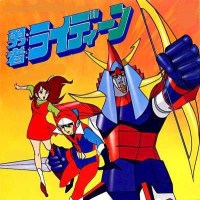

Diving Into the World of Tetsujin 28-gō#
If you are looking to experience one of the foundational pillars of the mecha genre, Tetsujin 28-gō (also known as Tetsujin 28 or Gigantor) is where you begin. Combining high-stakes action with science fiction, this series centers on the “super robot” theme that has influenced decades of anime.
Whether you are a fan of vintage robotics or modern remakes, this franchise offers multiple ways to experience the story. Before you dive in, here is everything you need to know about the state of the anime and how to watch it.
If you find our research helpful in saving you time and effort, please consider supporting us on Ko-fi!
Is the Anime Really Finished?#
Because Tetsujin 28-gō has been adapted multiple times across several decades, the answer depends on which version you are watching. The original source material is a manga from 1956.
If you watch only a specific anime adaptation, such as the 1963 Gigantor series or the 2004 remake, you will find a contained experience. However, because there are sequels (like Shin Tetsujin 28 and Tetsujin 28-go FX) and alternate retellings (like Tetsujin 28-gō Gao!), the “story” of the giant robot exists in various timelines. To get the most complete picture of the character and the world, starting with the original manga is recommended.
Who is This Anime For?#
Tetsujin 28-gō is best suited for viewers who enjoy:
- Classic Mecha: The series is a blueprint for the “super robot” subgenre.
- Sci-Fi Action: It blends futuristic technology with action-packed battles.
- Anime History: Those interested in how the medium evolved from the 1960s to the 2010s will find the various versions of Tetsujin fascinating.
You can find various iterations of the series on platforms like Crunchyroll and RetroCrush, or you can search for them on Prime Video.
Recommended Watch Orders#
Navigating the Tetsujin timeline can be confusing due to the mix of remakes and sequels. We recommend referring to our relationship tree for a visual guide, but here are the best paths based on your goals:
The Release Order#
For those who want to see how the animation and storytelling evolved over time:
- Gigantor (1963)
- Shin Tetsujin 28 (1980)
- Tetsujin 28-go FX (1992)
- Tetsujin 28 (2004)
- Tetsujin 28: Morning Moon of Midday (2007)
- Tetsujin 28-gō Gao! (2013)
The Completionist Order#
If you want every single piece of content, follow the lineage of the adaptations. Start with the 1963 Gigantor series, move through its sequels (Shin Tetsujin 28 and Tetsujin 28-go FX), and then experience the 2004 remake and its related project, Morning Moon of Midday. Finish with the alternate retelling, Tetsujin 28-gō Gao!.
The Source Material Path#
For those who don’t mind reading, the most authentic way to experience the story is to start with the 1956 manga. From there, you can pick any of the anime adaptations to see how the original vision was translated to the screen.
Useful Extras for Fans#
Since this is a legendary series, there is a wealth of collectibles available. If you want to bring a piece of mecha history into your home, you can buy Tetsujin 28-gō merchandise here.
Stay tuned to the relationship tree below to see exactly how these series connect, from the 1956 manga to the most recent retellings!
Tetsujin 28-gō • manga • 1956
  └─(adaptation)→  Gigantor • anime • 1963-10-20 to 1966-05-27
   └─(sequel)→   Shin Tetsujin 28 • anime • 1980-10-03 to 1981-09-25
   └─(remake)→   Tetsujin 28 • anime • 2004-04-07 to 2004-09-29
    └─(related)→    Tetsujin 28: Morning Moon of Midday • anime • 2007-03-31
   └─(sequel)→   Tetsujin 28-go FX • anime • 1992-04-05 to 1993-03-30
└─(alternate retelling)→ Tetsujin 28-gō Gao! • anime • 2013-04-06Some links on this page are affiliate links and may generate us a commission at no additional cost to you. More information in the Affiliates Notice.